
A powder that takes the gases out of the air
A mineral adsorbent that binds SO₂, NOx, CO and CO₂ on contact, used dry on trays, and cheap enough to replace rather than regenerate.
What it is
What the adsorbent is
Filters stop particles. They do not stop sulphur dioxide, nitrogen oxides, carbon monoxide or carbon dioxide; those pass straight through a bag filter or a HEPA.
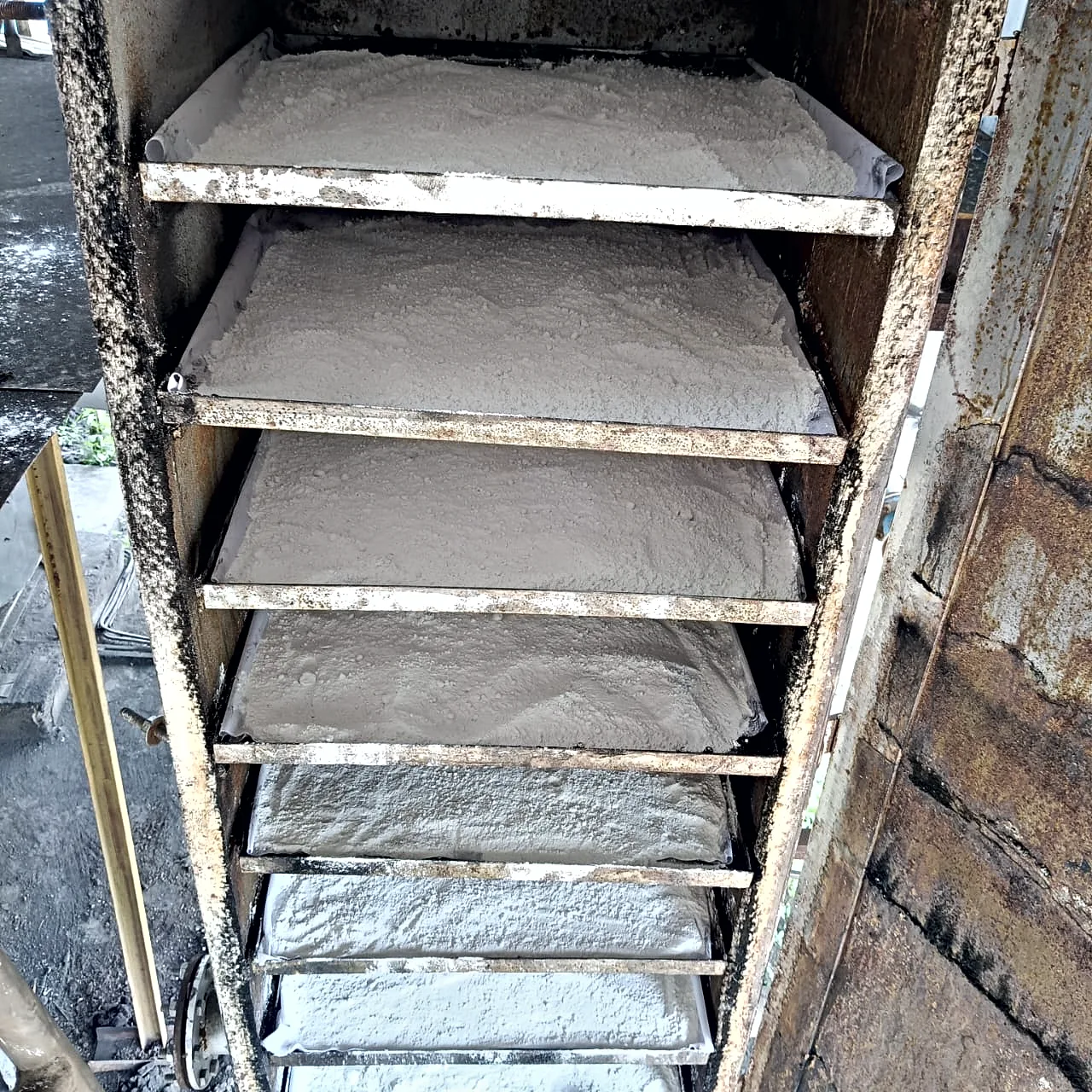
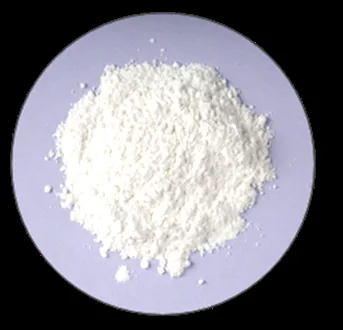
The Bhagirath adsorbent is an amorphous powder made from naturally available minerals. Laid in thin layers on trays, it binds these gases on contact at ambient temperature. A charge works for weeks, then the trays are swapped; there is no heat or chemical regeneration. Spent powder goes to land application or cement products, under the site’s waste authorisation.
The formulation is covered by Indian Patent No. 468407, “Adsorbent composition for removal of noxious gases”, application 201921001334, filed 11 January 2019 and granted 10 November 2023 to inventors Dr. Anjali Sudhir Puranik and Salil Sudhir Puranik. The preparation know-how and the field dataset stay in-house.
The method was first described in Puranik, A. and Puranik, S., “Removal of Carbon Monoxide from Flue Gas”, International Journal of Multidisciplinary Educational Research, vol. 8, issue 8(6), August 2019, pp. 70–86.
Indian Patent No. 468407
Granted 10 November 2023 · Adsorbent composition for removal of noxious gases
Compared with other sorbents
Why not zeolites, amines or activated carbon?
Each has a place. For a small plant or a roadside unit, the question is cost per unit of gas captured and what you do with the sorbent afterwards.
| Sorbent | Structure | In practice |
|---|---|---|
| Zeolites | Crystalline mineral cages | Selective but moisture-sensitive; costly to make and to regenerate |
| Amine solutions | Reactive liquid chemistry | Need heat to regenerate; corrosive; produce liquid waste |
| Metal-organic frameworks | Engineered porous frameworks | Very high capacity on paper; expensive and mostly laboratory-scale |
| Activated carbon | Porous carbon surface | Good for organics, weak for acid gases; saturates and needs replacement |
| Bhagirath adsorbent | Amorphous mineral powder | Binds SO₂, NOx, CO and CO₂ at ambient conditions; low cost; spent powder is safe on land |
Bhagirath’s own characterisation, from the Pureva technical note; not an independent comparison.
Laboratory evidence
Average gas removal in the patent specification
The published specification compares a reference sorbent with the Bhagirath formulation across five gases. Removal in per cent, averaged across the reported runs.
| Gas | Reference sorbent | Bhagirath adsorbent |
|---|---|---|
| CO₂ | 92.5 % | 100.0 % |
| SO₂ | 53.4 % | 100.0 % |
| NO | 48.3 % | 100.0 % |
| NO₂ | 50.9 % | 100.0 % |
| CO | 16.3 % | 42.7 % |
Source: published patent specification, Table 3. Laboratory conditions; field performance is reported separately on the Evidence page.
Field series
Two months on one charge
One charge of trays at Romit Resins, July to September 2024. Removal, as read on the analyser, stayed at 100 % for the first weeks and fell as the bed saturated. That curve sets the service interval.
| Date | CO₂ | CO | SO₂ | NO |
|---|---|---|---|---|
| 4 Jul 2024 | 100 % | 100 % | 100 % | 100 % |
| 6 Jul 2024 | 100 % | 100 % | 100 % | 100 % |
| 16 Jul 2024 | 100 % | 100 % | 100 % | 100 % |
| 26 Aug 2024 | 98 % | 88 % | 82 % | 100 % |
| 4 Sep 2024 | 85 % | 83 % | 79 % | 99 % |
Removal relative to inlet, as displayed on a handheld flue-gas analyser, Romit Resins. 100 % means the outlet read 0 at the instrument’s resolution. Same charge of adsorbent throughout.
System design
Two chambers, so treatment never stops
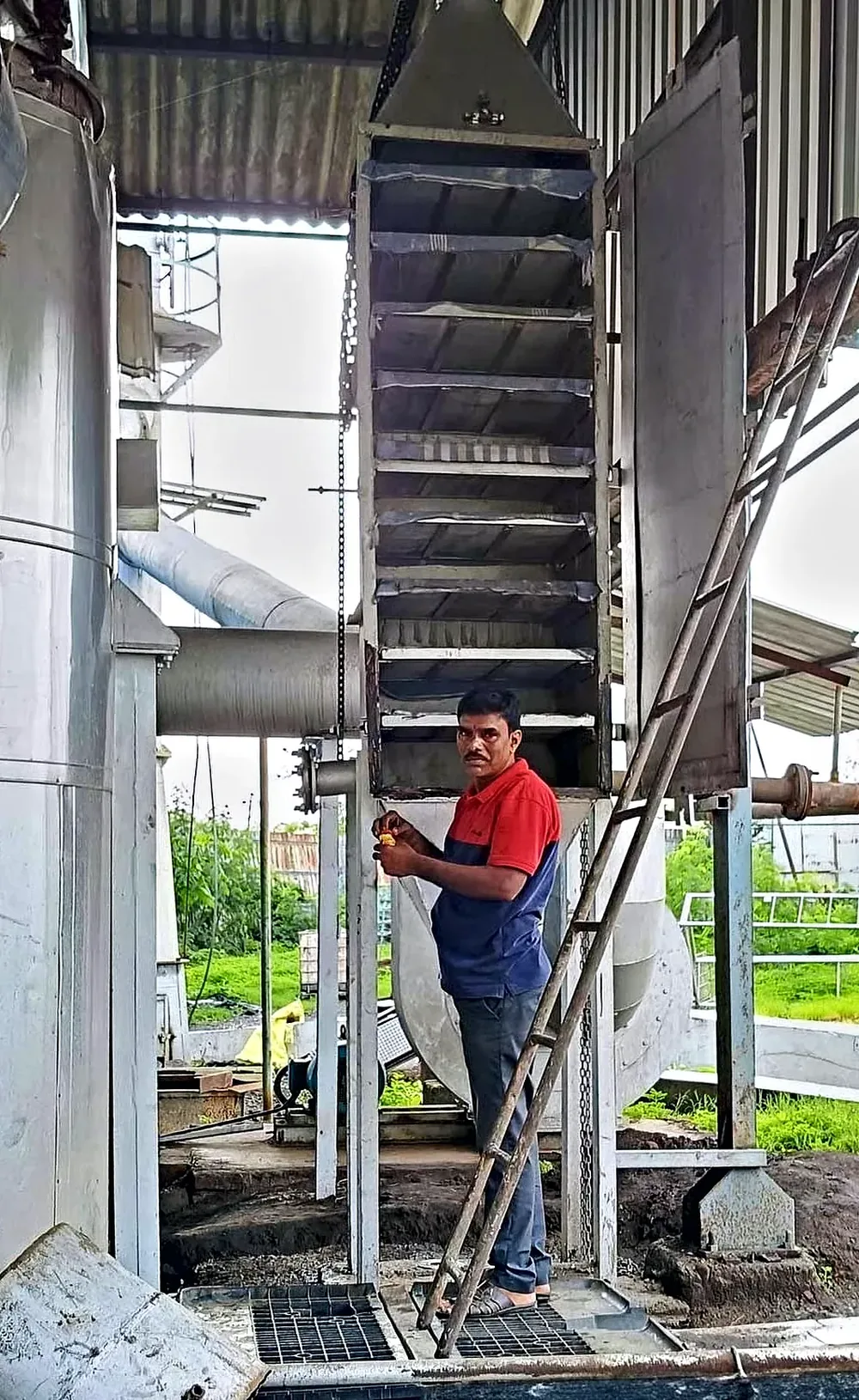
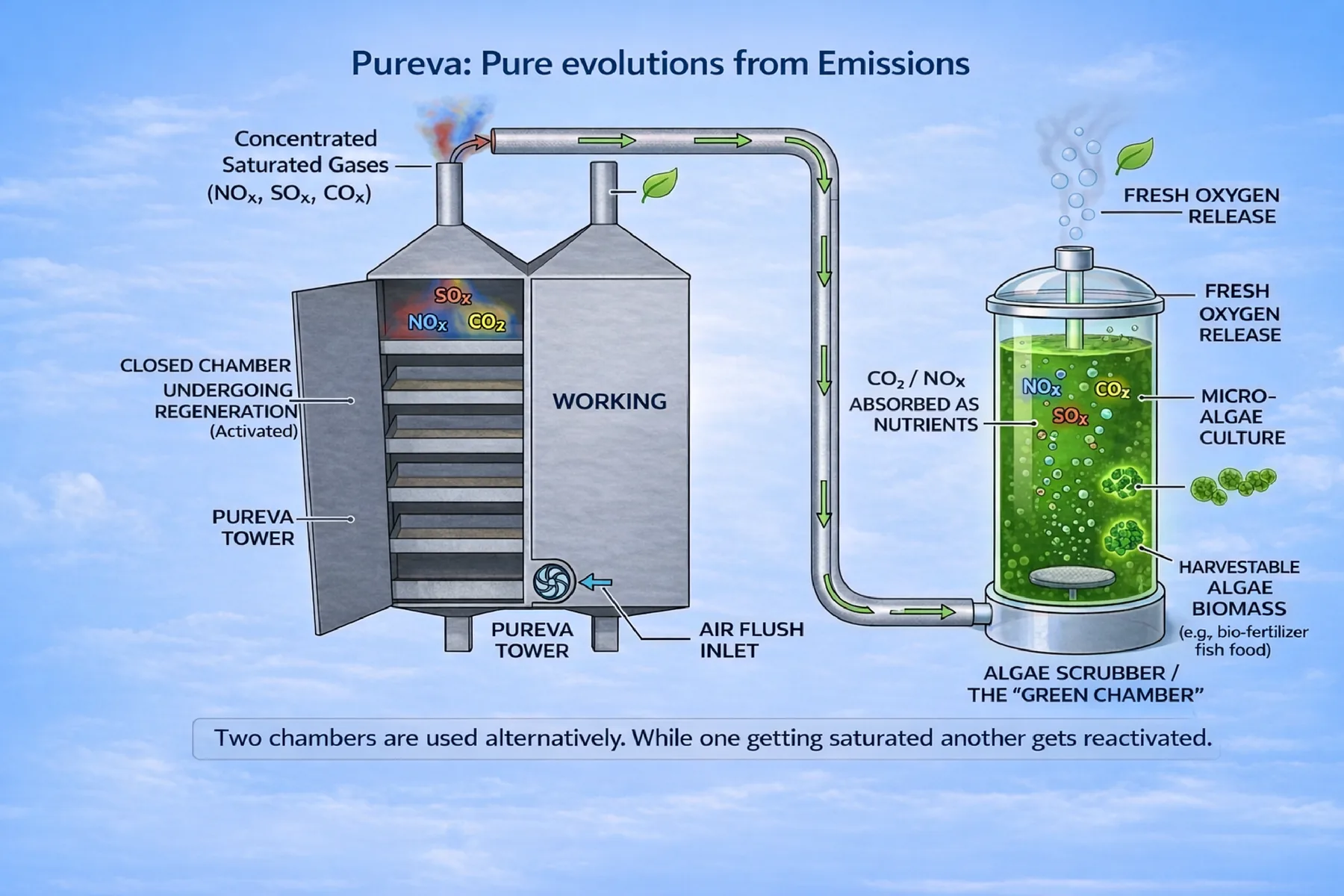
Pureva towers are built as pairs. One chamber works while the other rests or is flushed with air. When the working bed saturates, flow switches. Spent trays are swapped during the rest period.
A separate research line is testing whether gas released during the rest cycle can feed an algae culture. It is not part of any installed system.
The same powder inside SuVayu
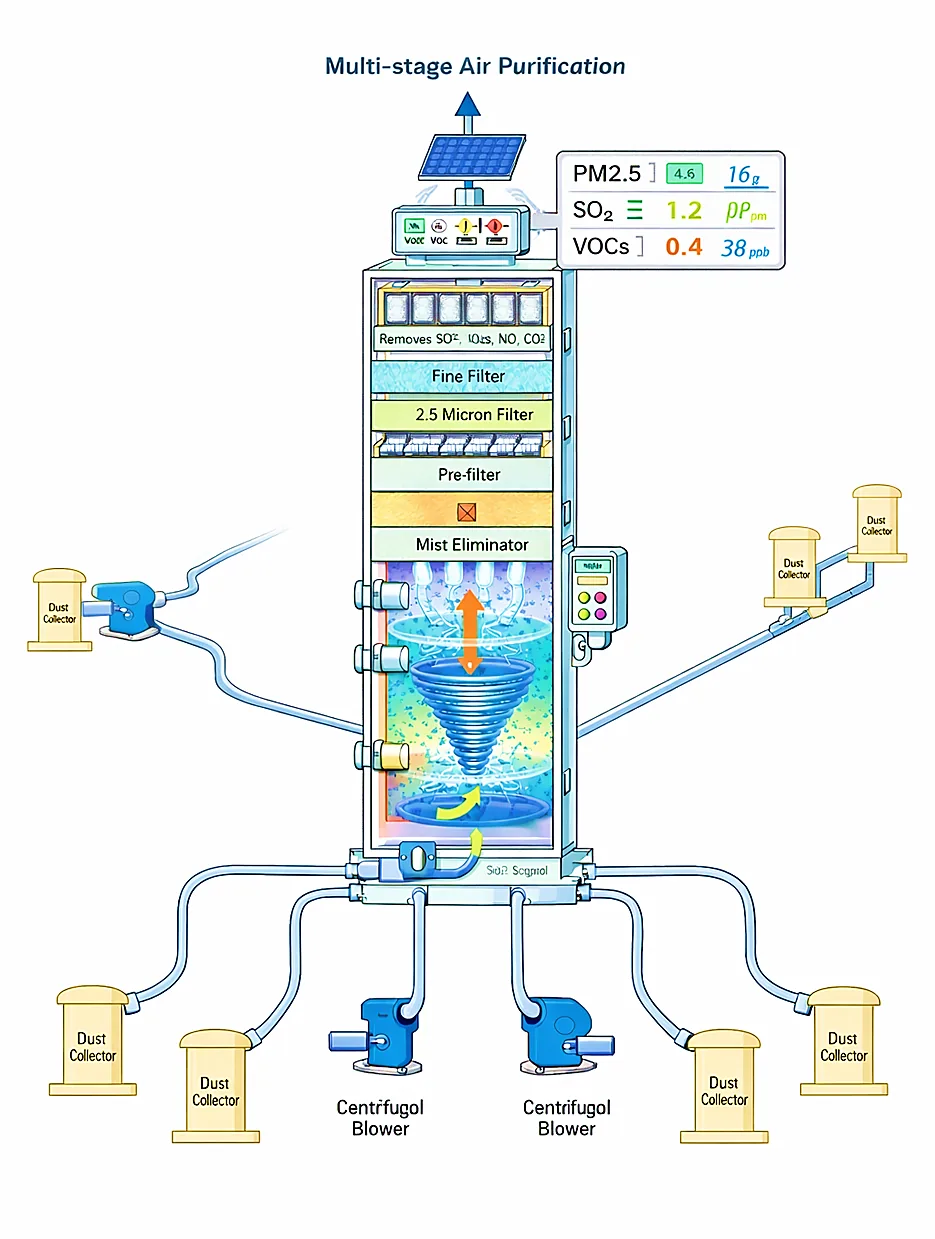
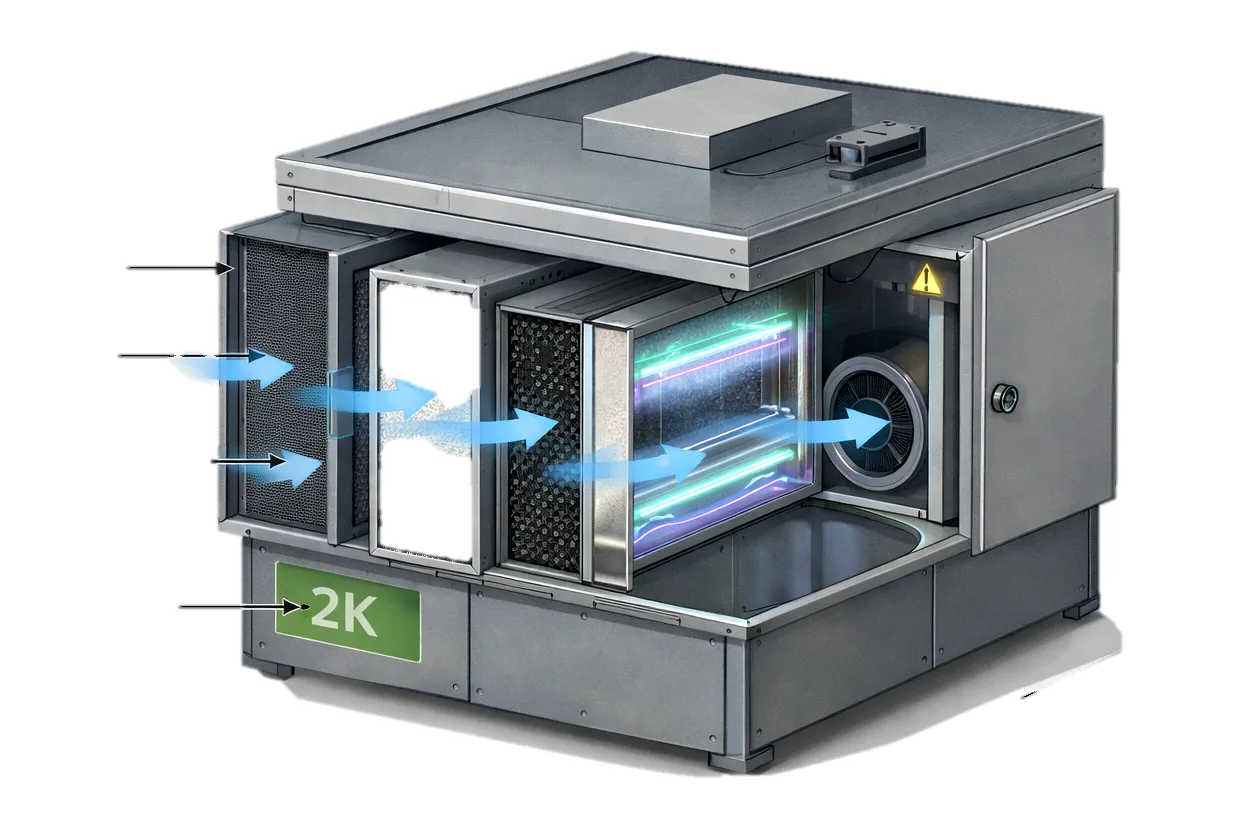 Concept render
 Not sure the powder fits your gas?
Send a recent stack monitoring report or describe the exhaust. We will say whether the adsorbent fits and what a test would involve.